Categories
printmaking

Drypoint printmaking

Having used a number of cheap box picture frames (IKEA and Hobbycraft) for textile pieces (examples in this blog early 2024) I have lots of small acrylic sheets as I don’t generally want them at the front of the box frames for displaying textured and heavily embellished work. Although I have noticed that many textile artists do use frames with glass or acrylic. Same issue with impasto painting I think.

“The use of impasto became more or less compulsory in modern art as the view took hold that the surface of a painting should have its own reality rather than just being a smooth window into an illusionist world beyond. With this went the idea that the texture of paint and the shape of the brushmark could themselves help to convey feeling, that they are a kind of handwriting that can directly express the artist’s emotions or response to the subject. A painting in which impasto is a prominent feature can also said to be painterly.

This term carries the implication that the artist is revelling in the manipulation of the paint itself and making the fullest use of its sensuous properties.”

Tate Modern, Art Terms

Window at Artigo, Gloucester Road, Bristol, 2024

One thing these acrylic sheets can be used for is drypoint (intaglio) printmaking and the process is simple, although you do need a press of some sort. I have a X-Cut Express which are mostly used for card making and some relief printmaking but will do a reasonable intaglio job.

X-Cut Express

Something to make a mark on the acrylic sheet is essential, etching tools but only the simplest are needed.

There is a good explanation – and so much more! – of the process at Handprinted blog which is a wonderful instructive resource, they also run courses in the physical world.

I use Akua waterbased inks as they are easy to manage at home, modestly priced. Each print only uses a tiny amount of ink, far more gets wiped from the plate during inking it.

The image is scratched onto the acrylic plate, the print will be the reverse. When the plate is done to satisfaction a test print is taken, then the plate can be cleaned and further incision made as desired…. repeat until satisfaction.
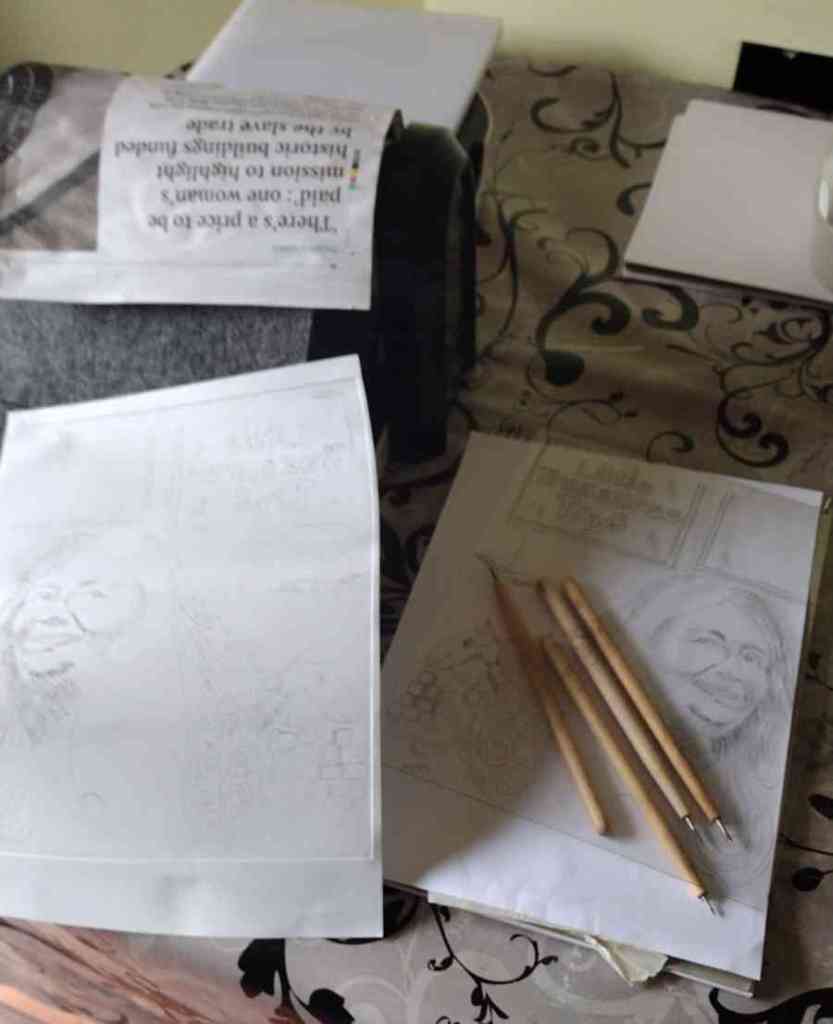
The paper I used was Somerset and was the reverse of old prints I have kept from Uni. Soak the paper and allow excess water to run off so that the damp paper will receive ink, this part is variable and it’s a good idea to make notes. Trial and error but the paper can be quite expensive.
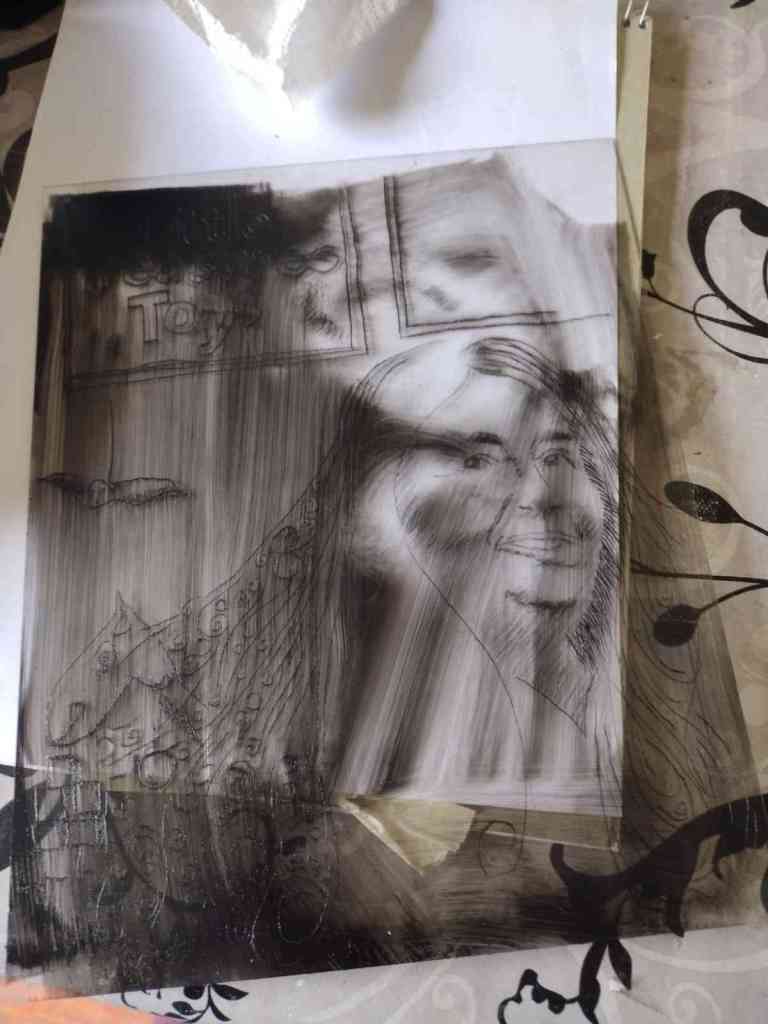
The apparent smudges in this print are actually shadows, as the print dried hanging on the fridge door it needs to be pressed flat.

As long as the printing process is followed carefully it isn’t necessary to use a great deal of pressure and the X-Cut is simple to use and adjust but I still managed to try a bit too hard and cracked the plate! Live and learn.

Categories
art

CoBrA

I’ve put other links about CoBrA but this is an excellent introduction to the movement written on the 75th anniversary of it’s founding, last year.

As the seeming stampede to world war by the western states and their proxies continues the political stance of the CoBrA artists is more important than ever.

A visit to the CoBrA Museum in Amsterdam is not to be missed if you find yourself in that fair city.

Huile sur toile, Jeune Peinture Belge
Dimensions : 87,5 x 160

The spirit of the movement is anti-formalist.

Categories
art

In Bristol Studio

A short walk from my home In Bristol Studio hosts a wide range of artists and makers – what a city! – “…an artist-led studio and home to over 50 artists and makers who work across multiple disciplines.” There are classes here and occasionally expos, the BS5 Arts Trail event on September 7th and 8th 2024 will be an open studio event.

Categories
art

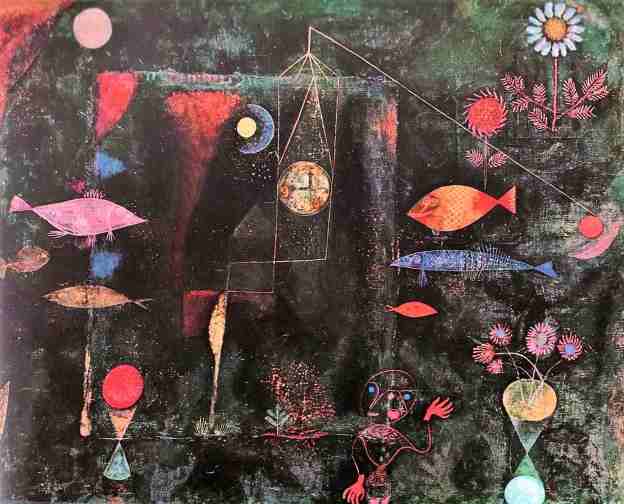
Fish Magic

A post by Kenn Orphan about ‘degenerate art’, Fish Magic by Paul Klee

Categories
art

David Gentleman at 90

Categories
art

Into The Night

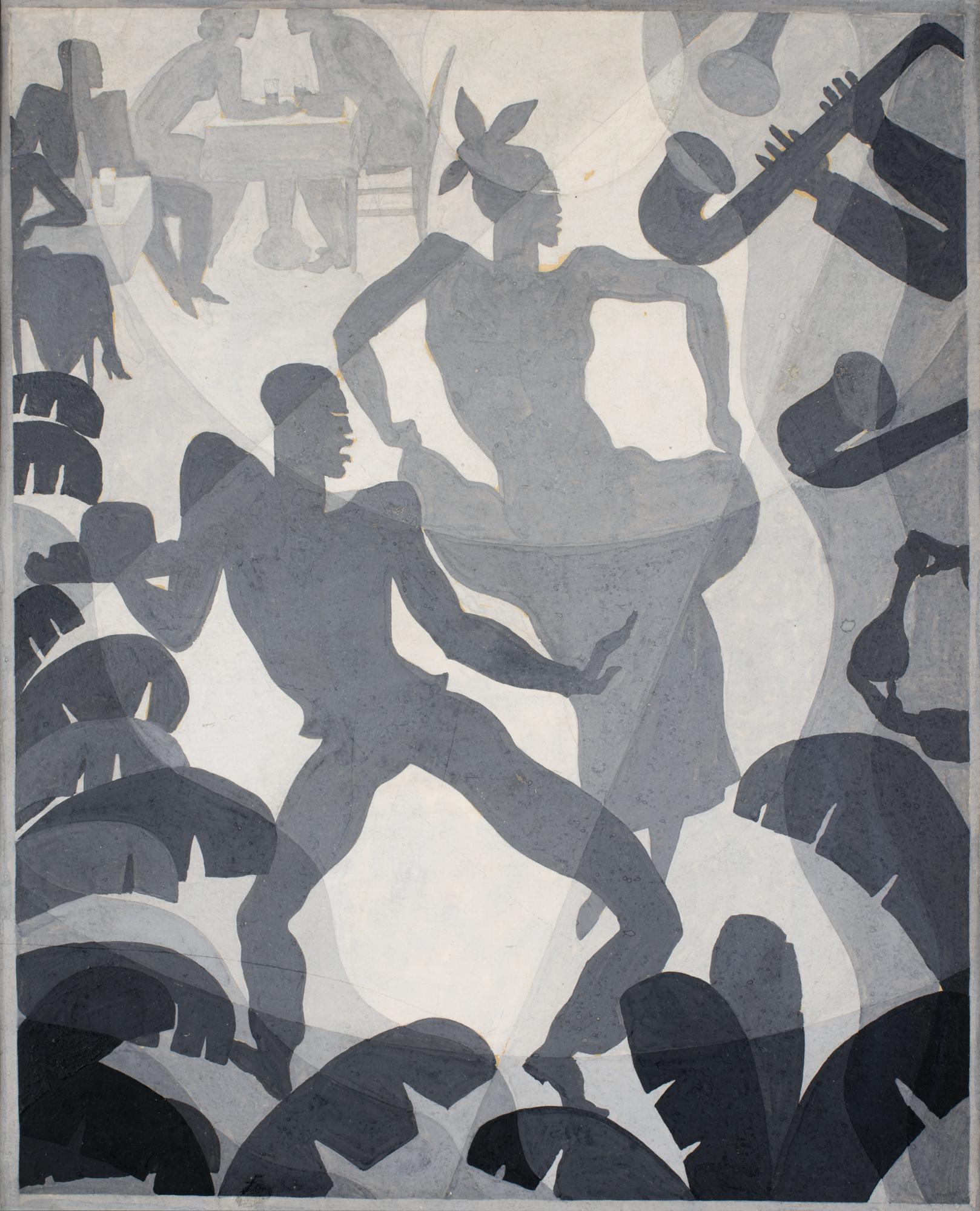
I went to London recently for a few days, visiting the galleries.  The outstanding expo was at the Barbican – Into The Night   where you may, “Explore the history of cabarets, cafés and clubs in modern art across the world, from London to Paris, Mexico City, Tehran, and Ibadan”.  A large show with lots of inspiring images.

Credit: Aaron Douglas, Dance, c.1930. Collection of Dr Anita White. © Heirs of Aaron Douglas and DACS, London 2019.

As usual at this time of year there is a wealth of shows to choose, I didn’t quite manage all of these:

  1. https://www.estorickcollection.com/ Lithography from Leningrad: Eric Estorick’s Adventure in Soviet Art. 39a Canonbury Square Wednesday to Saturday
  2. Bridget Riley Hayward Gallery, South Bank
  3. Lucian Freud: The Self-portraits’ Royal Academy of Arts, Mayfair
  4. Elizabeth Peyton ‘Aire and Angels’ National Portrait Gallery, Charing Cross Road
  5. Hogarth: Place and Progress Sir John Soane’s Museum
  6. Nan Goldin: Sirens, Marian Goodman Gallery


Categories
art

In the Spirit of Crazy Horse

Once in a while I come across work that inspires me to keep trying, keep working at my art.  I have been reading, “In the Spirit of Crazy Horse”, by the great American author Peter Matthiessen which tells the story of Leonard Peltier and the FBI’s 1970s and ongoing war on the American Indian Movement.  The book was first published in 1983 then suppressed by FBI-sponsored lawsuits for several years.  Leonard Peltier is still in prison, recognised around the world as a political prisoner, framed by the FBI and the US judicial system.

leonard-peltier-painting-1

Leonard Peltier’s art can be found easily enough on the web, his story continues. The FBI continue to try and suppress his art.