Several of this series have gone to new homes. I am working on several more, some larger.
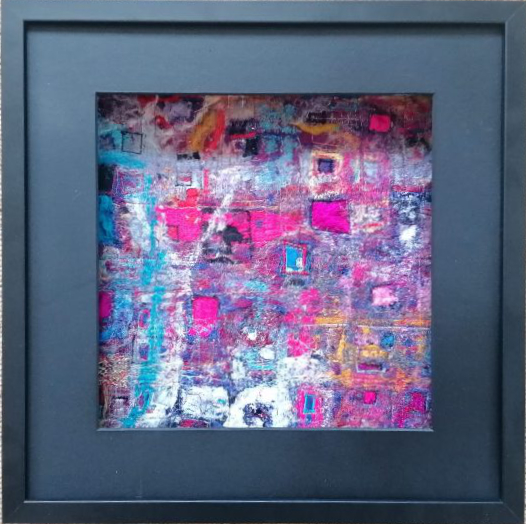
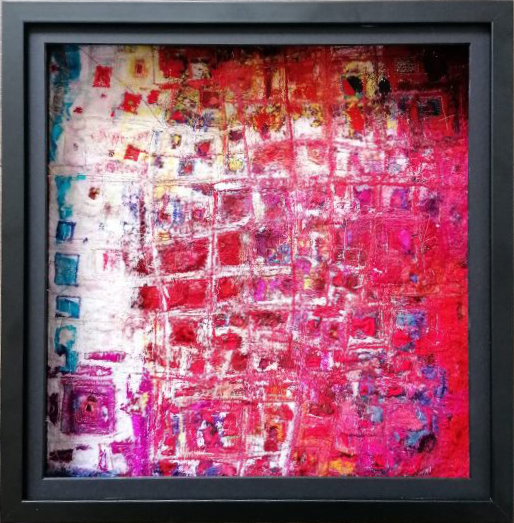
Several of this series have gone to new homes. I am working on several more, some larger.
Not having a ‘wet’ studio I must make do by printmaking in the kitchen, not ideal but still possible to get likeable results, I hope.
As a long-term project I want to make a series of prints of Church Road people. The A420 runs from Bristol to Oxford but the part I’m interested in is from Lawrence Hill to St. George Park, about a mile, with Easton on the northern side and Redfield on the southern leading down to the river Avon at Netham lock and Barton Hill. I started with some drypoint etching of several folk and today I’ve been adding some colour to one of those sets of prints by making a collagraph plate.


And also doing some more printing from drypoint plates. There isn’t any shortage of subject matter around here, many colourful and friendly characters and bubbling street life. We have live music at the George and Dragon pub every Tuesday or more often, several good places to eat and the Plough Inn in Easton – scene of great music and good food – is just a stroll away. I would like to capture a little all of these riches, and more.

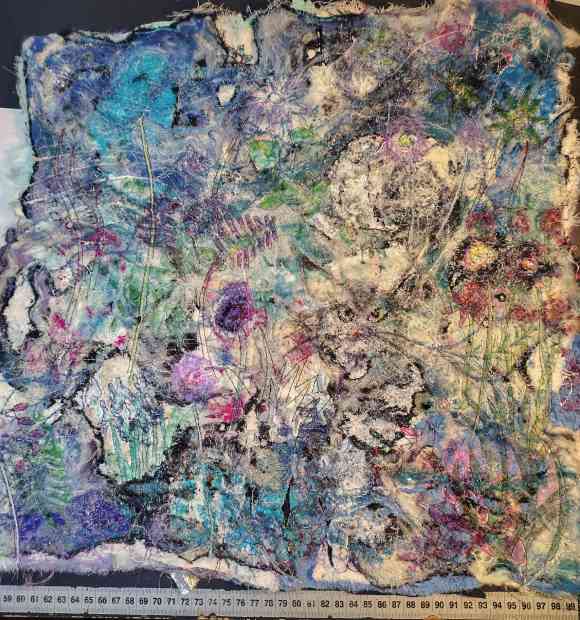
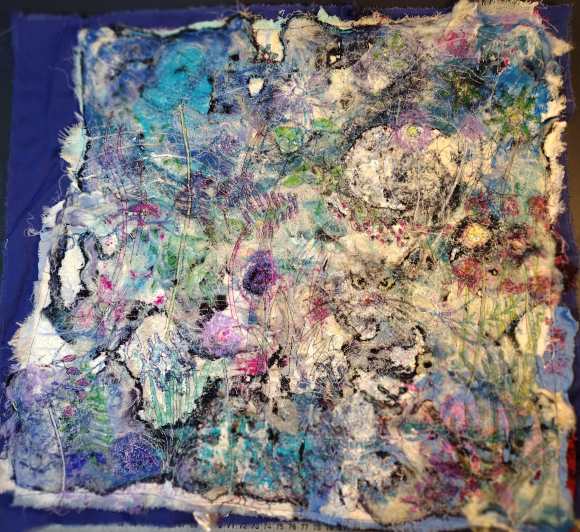
Almost finished, this piece has been hanging around for months waiting for some inspiration as to how to finish it. I tried adding a mouse but that didn’t work well. When in doubt, stitch, but now I’m afraid of wrecking what there is. The surface is rather fragile as it is mainly nunofelt with scraps of fabric below, all stitched and embellished.
One day later… I added a little more stitch, tried to reemphasise the cat but subtly then, deciding it was finished I added a backing. Next a gently wash then seal with very dilute pva. Then press and a frame of some sort.
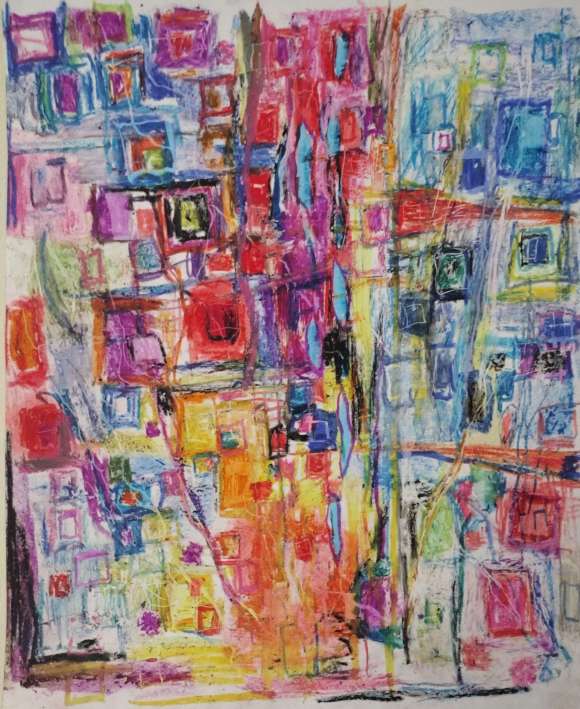
Trying to get into the groove again after doing very little for two months and not much for some time before that! This is on cheap A3 drawing pad paper but the next ones will be on oil pastel paper which has a textured surface. It’s a fast way to create an image but can be hard to cover any mistakes or unwanted marks.
One of the larger piece in the series I called City, but I’m not sure about the framing.
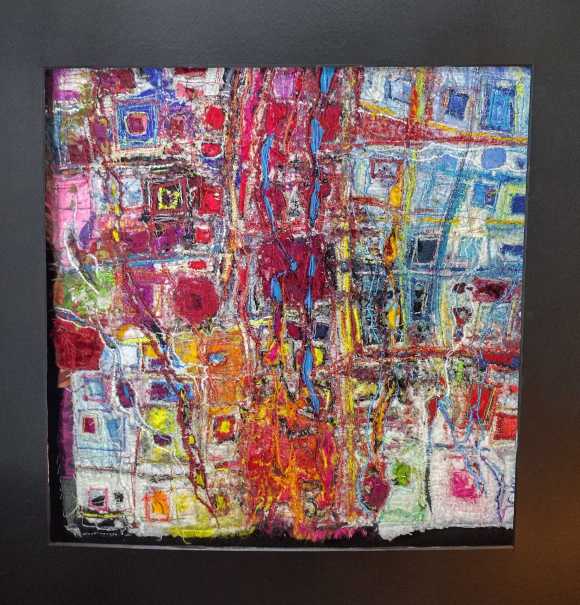
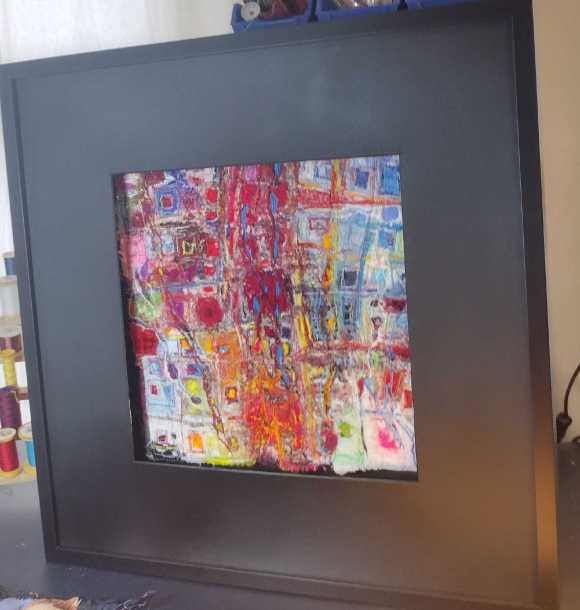
When I was making or remaking embellished work of this type a year or more ago I categorised them all as part of sets called either Meltdown or City, (1,2,3 etc) but later some of them seemed to find other names. This one is now In the Sun. Most of the pics I put on this blog or elsewhere are quite low resolution by current online standards but this one has a few more pixels.

It can be satisfying to take colour to an extreme.
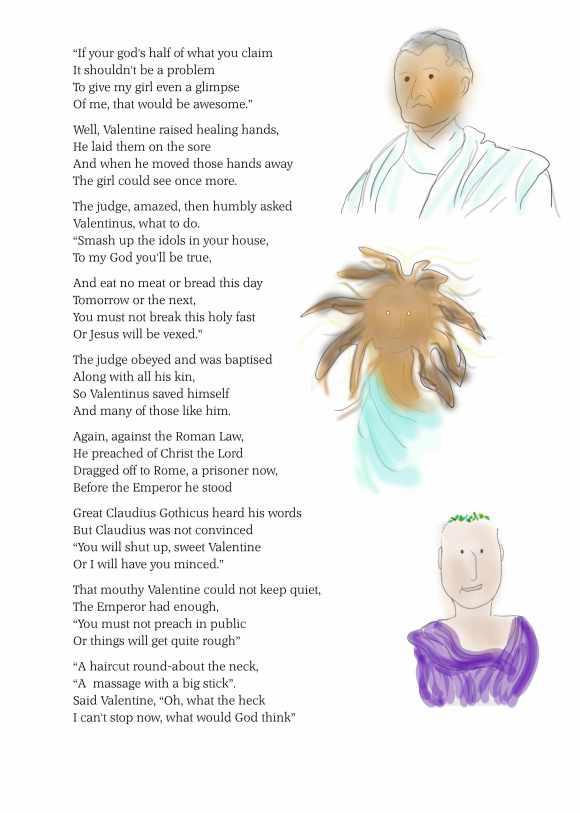
This is an ode I wrote and illustrated for my granddaughter a few years ago, an antidote to the sickly hearts and roses (but not chocs, obviously).

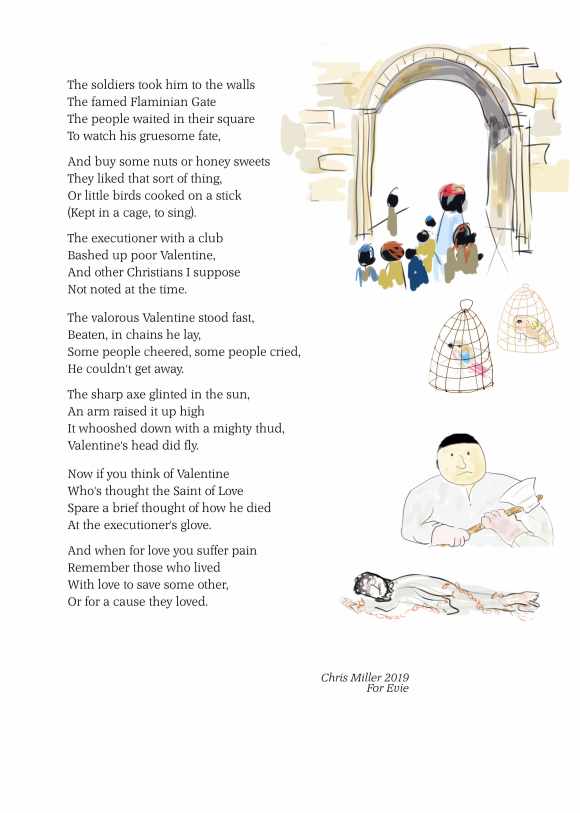
Having used a number of cheap box picture frames (IKEA and Hobbycraft) for textile pieces (examples in this blog early 2024) I have lots of small acrylic sheets as I don’t generally want them at the front of the box frames for displaying textured and heavily embellished work. Although I have noticed that many textile artists do use frames with glass or acrylic. Same issue with impasto painting I think.
“The use of impasto became more or less compulsory in modern art as the view took hold that the surface of a painting should have its own reality rather than just being a smooth window into an illusionist world beyond. With this went the idea that the texture of paint and the shape of the brushmark could themselves help to convey feeling, that they are a kind of handwriting that can directly express the artist’s emotions or response to the subject. A painting in which impasto is a prominent feature can also said to be painterly.
This term carries the implication that the artist is revelling in the manipulation of the paint itself and making the fullest use of its sensuous properties.”
Tate Modern, Art Terms

One thing these acrylic sheets can be used for is drypoint (intaglio) printmaking and the process is simple, although you do need a press of some sort. I have a X-Cut Express which are mostly used for card making and some relief printmaking but will do a reasonable intaglio job.

Something to make a mark on the acrylic sheet is essential, etching tools but only the simplest are needed.

There is a good explanation – and so much more! – of the process at Handprinted blog which is a wonderful instructive resource, they also run courses in the physical world.

I use Akua waterbased inks as they are easy to manage at home, modestly priced. Each print only uses a tiny amount of ink, far more gets wiped from the plate during inking it.

The image is scratched onto the acrylic plate, the print will be the reverse. When the plate is done to satisfaction a test print is taken, then the plate can be cleaned and further incision made as desired…. repeat until satisfaction.
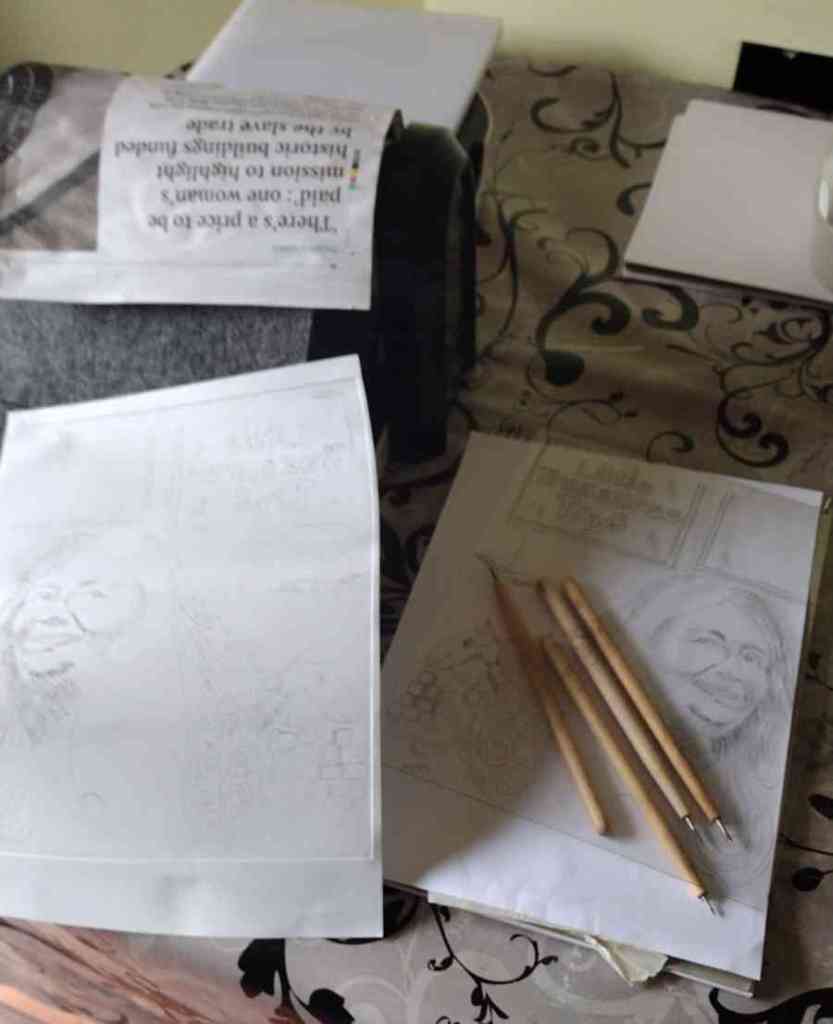
The paper I used was Somerset and was the reverse of old prints I have kept from Uni. Soak the paper and allow excess water to run off so that the damp paper will receive ink, this part is variable and it’s a good idea to make notes. Trial and error but the paper can be quite expensive.
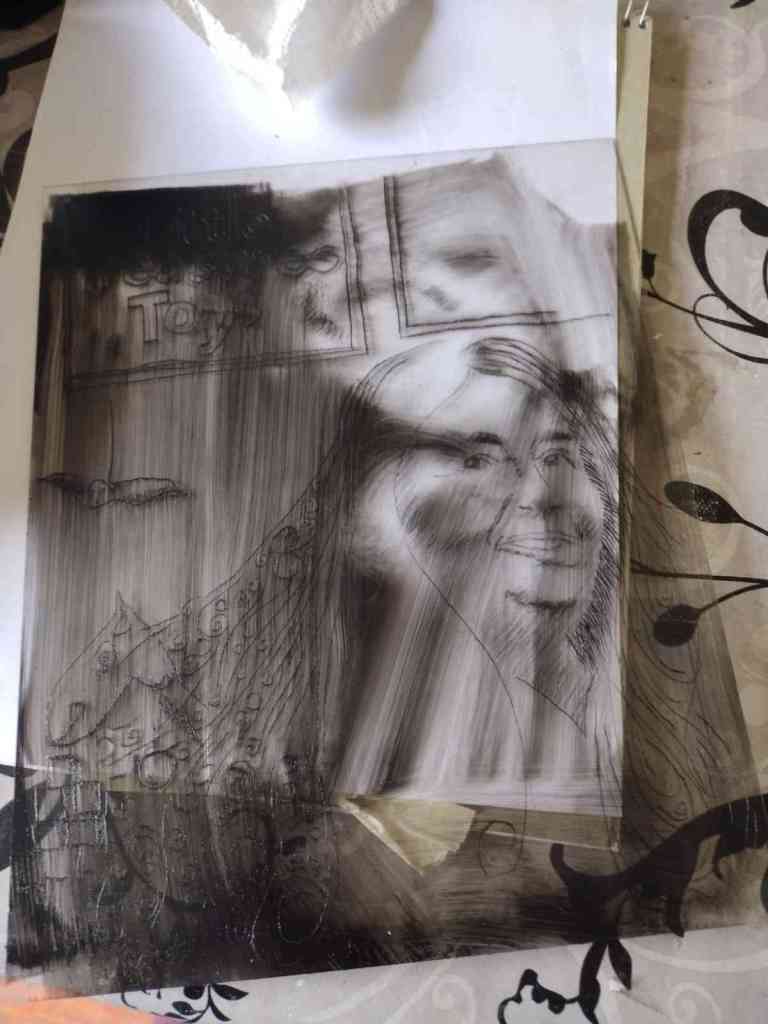

The apparent smudges in this print are actually shadows, as the print dried hanging on the fridge door it needs to be pressed flat.
As long as the printing process is followed carefully it isn’t necessary to use a great deal of pressure and the X-Cut is simple to use and adjust but I still managed to try a bit too hard and cracked the plate! Live and learn.
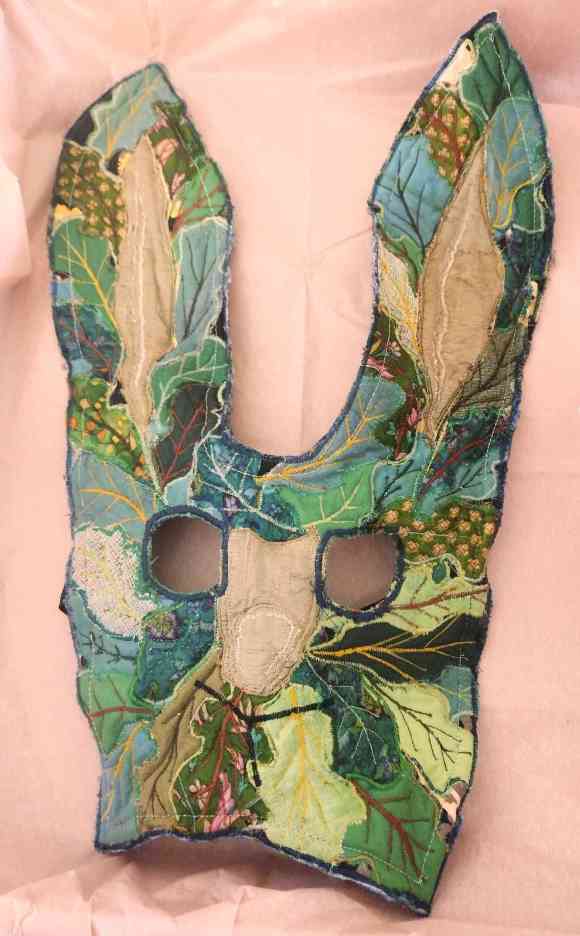
Having decided to try and sell separately the nine Hare Masks I made at the end of last year I found suitable but utilitarian cardboard boxes and have been dithering about how to dress them to make a more attractive appearance for eBay and for the purchaser when opening the box. Tissue paper, crumpled, some shredded?
The masks are meant primarily as decorative objects but can be worn, The straps are non-curl 6cm elastic. The inner surface is cotton and the main surface mixed textiles but mainly natural fabrics, some organic. I often source fabric from charity shops but it is hard to avoid acrylic and poly. Rayon (viscose) – made from wood pulp – is common in women’s clothes often with a useful shiny finish.


 FlagFly