Having used a number of cheap box picture frames (IKEA and Hobbycraft) for textile pieces (examples in this blog early 2024) I have lots of small acrylic sheets as I don’t generally want them at the front of the box frames for displaying textured and heavily embellished work. Although I have noticed that many textile artists do use frames with glass or acrylic. Same issue with impasto painting I think.
“The use of impasto became more or less compulsory in modern art as the view took hold that the surface of a painting should have its own reality rather than just being a smooth window into an illusionist world beyond. With this went the idea that the texture of paint and the shape of the brushmark could themselves help to convey feeling, that they are a kind of handwriting that can directly express the artist’s emotions or response to the subject. A painting in which impasto is a prominent feature can also said to be painterly.
This term carries the implication that the artist is revelling in the manipulation of the paint itself and making the fullest use of its sensuous properties.”
Tate Modern, Art Terms

One thing these acrylic sheets can be used for is drypoint (intaglio) printmaking and the process is simple, although you do need a press of some sort. I have a X-Cut Express which are mostly used for card making and some relief printmaking but will do a reasonable intaglio job.

Something to make a mark on the acrylic sheet is essential, etching tools but only the simplest are needed.

There is a good explanation – and so much more! – of the process at Handprinted blog which is a wonderful instructive resource, they also run courses in the physical world.

I use Akua waterbased inks as they are easy to manage at home, modestly priced. Each print only uses a tiny amount of ink, far more gets wiped from the plate during inking it.

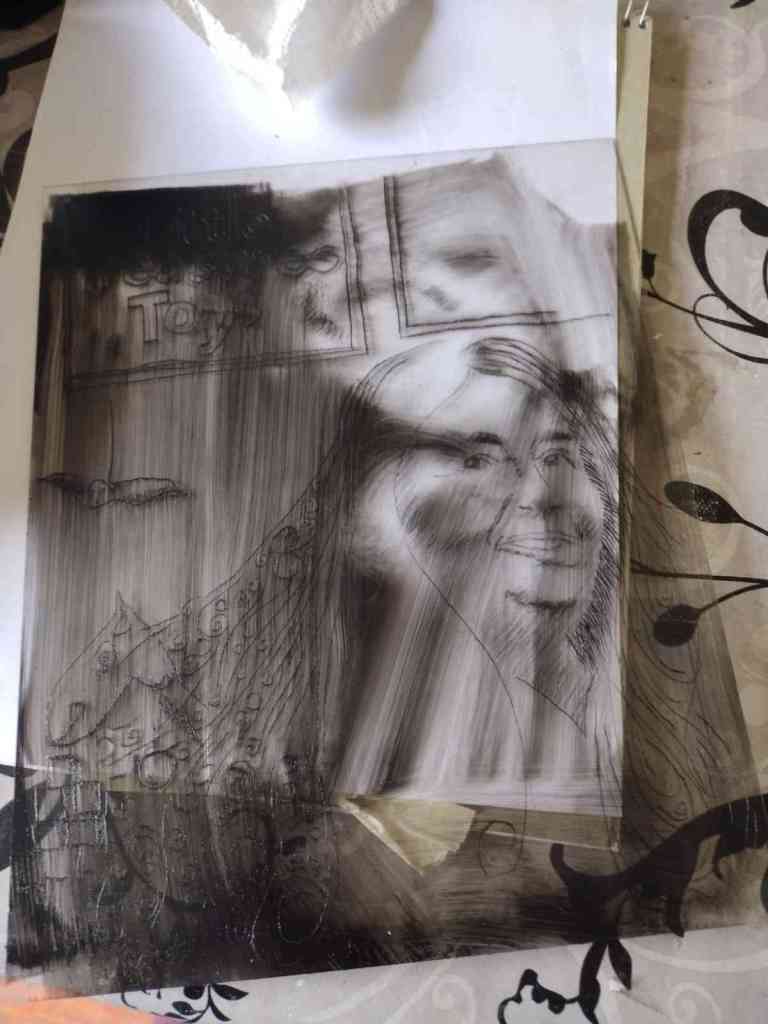
The image is scratched onto the acrylic plate, the print will be the reverse. When the plate is done to satisfaction a test print is taken, then the plate can be cleaned and further incision made as desired…. repeat until satisfaction.
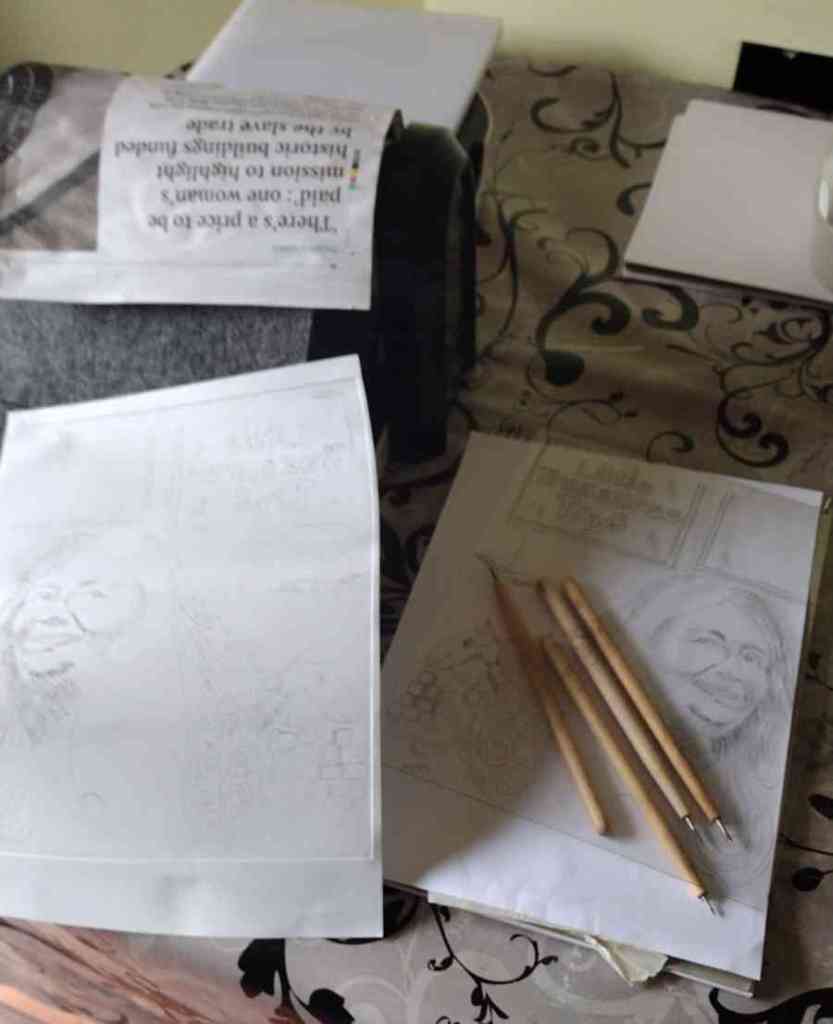
The paper I used was Somerset and was the reverse of old prints I have kept from Uni. Soak the paper and allow excess water to run off so that the damp paper will receive ink, this part is variable and it’s a good idea to make notes. Trial and error but the paper can be quite expensive.

The apparent smudges in this print are actually shadows, as the print dried hanging on the fridge door it needs to be pressed flat.
As long as the printing process is followed carefully it isn’t necessary to use a great deal of pressure and the X-Cut is simple to use and adjust but I still managed to try a bit too hard and cracked the plate! Live and learn.
 FlagFly