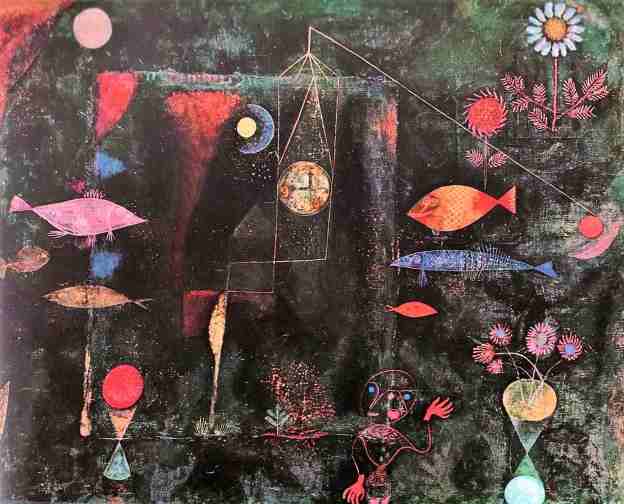
A post by Kenn Orphan about ‘degenerate art’, Fish Magic by Paul Klee
I live in Bristol, UK. I make things out of cloth, plywood, paper and other things. Sometimes I make prints.
A post by Kenn Orphan about ‘degenerate art’, Fish Magic by Paul Klee
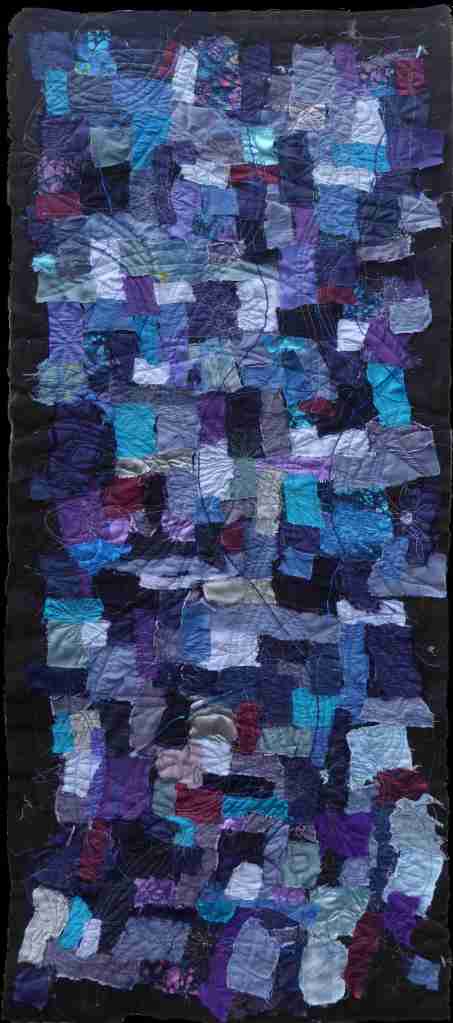
This patchwork and machine embroidery quilt was made from a piece of patchwork originally destined to be dolls clothes, but I had so much that it had been put aside and forgotten. The quilting lines show in this picture but the metallic threads do not. There are a lot of shiny silver and blue metallics here and many of them and vaguly flower shaped.
The quilting lines are mainly broad curves, often inspired half or quarter moons or those slivers of the new moon.
Using Kind of Blue as a title feels very cheeky, but the Miles Davis masterpiece is often playing in my studio and the dreamy, sensuous curves of the music are always in my mind.
Moonflowers would reflect my hippy youth, back when work of this kind was unknown, or just consigned to ‘women’s work’ and ignored by the art world. Now there is a wealth of fabulous textile art, many examples may be found on the web.
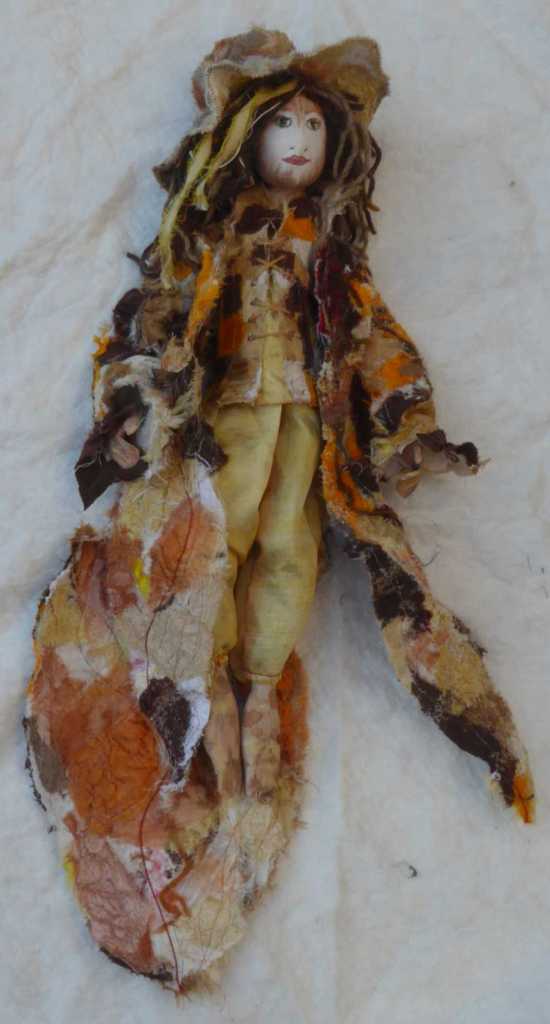
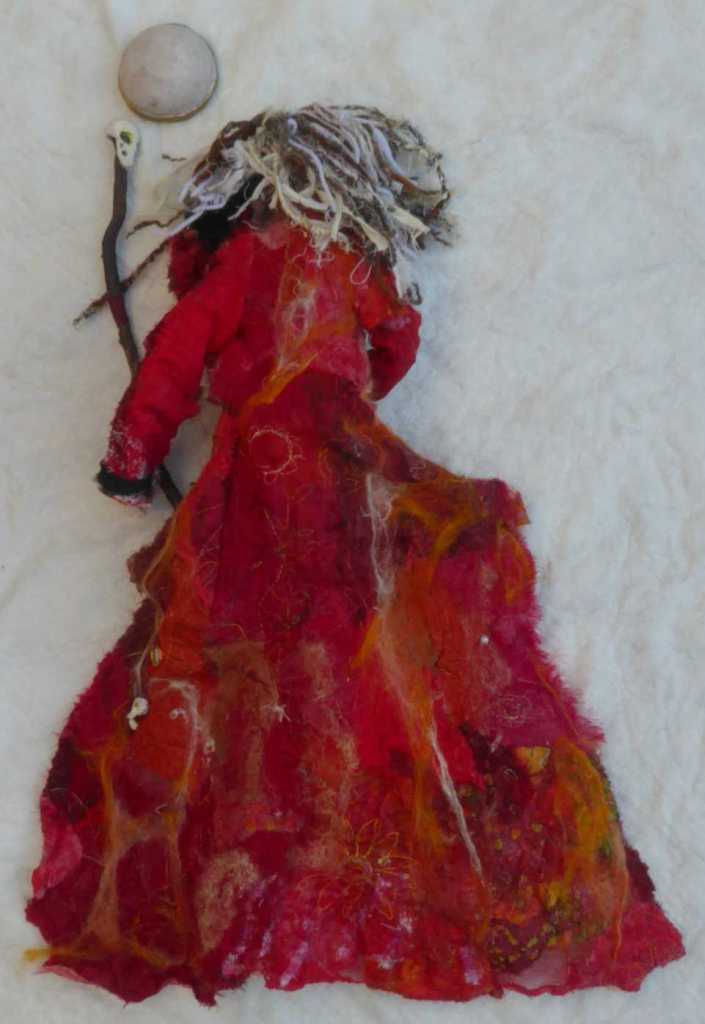
There is something I find satisfying and rewarding about doll making, although I can’t claim to know what that is. These four dolls are button-jointed in the Jan Horrox style, about 60 cm long, their clothes are made from embellished and embroidered scraps and may be much longer. The fabric scraps are often silk and satin and have many metallic threads but these shiny things do not show in these photos.
These dolls might represent both birds of the British Isles and the four regions, Scotland – Magpie, Wales – Red Kite, Ireland – Greenfinch and England – Tawny Owl. I think the Magpie, the first one I made might be my alter-ego, a Scottish Prince!


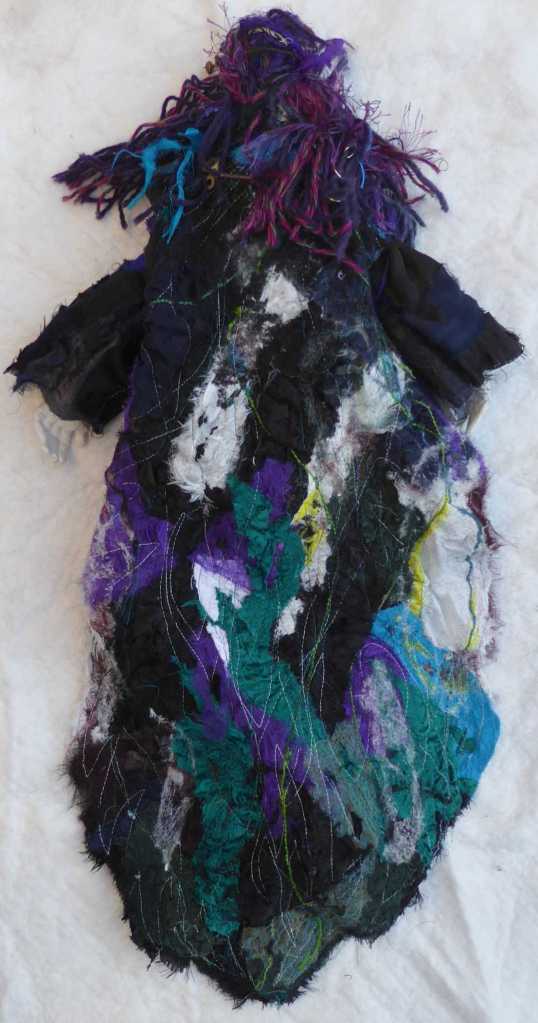

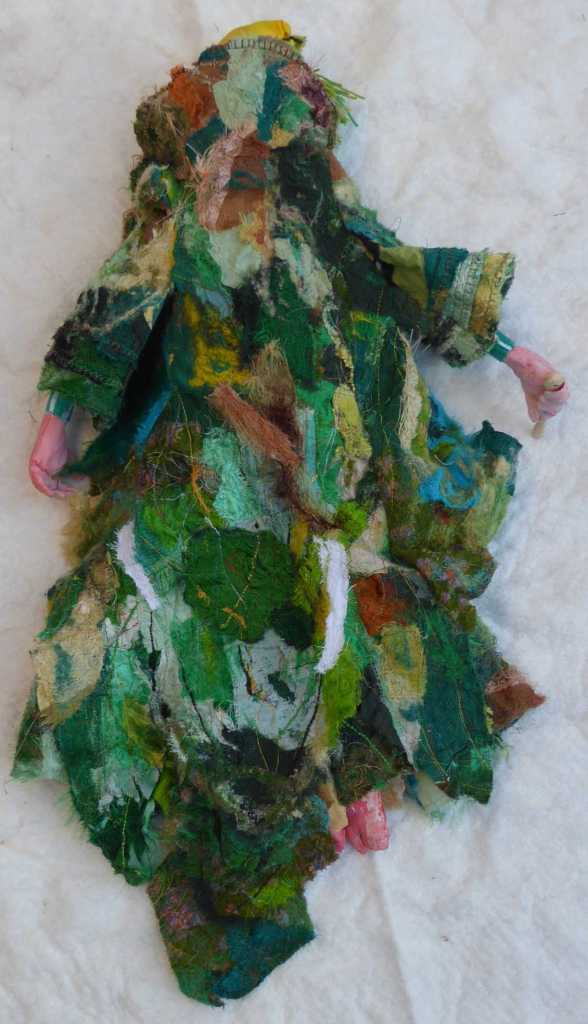

I don’t make many art pieces but I was sorting through my fabric and came across this forgotten piece of work that I had put aside for some reason, possibly a left-over from a double-sided cape of some years back. It was patchwork blues, slightly embellished and overstitched, looked quite attractive so I thought why not quilt it.

I found a length of black cotton just the right size, then a layer of wadding and finally some thin cotton from a sheet. There is a lot of silver thread used in the embroidery and the quilting but it doesn’t show in this pic.
I’m using a free motion embroidery foot to quilt circles and flower patterns, takes practice but gives me a distinctive style.
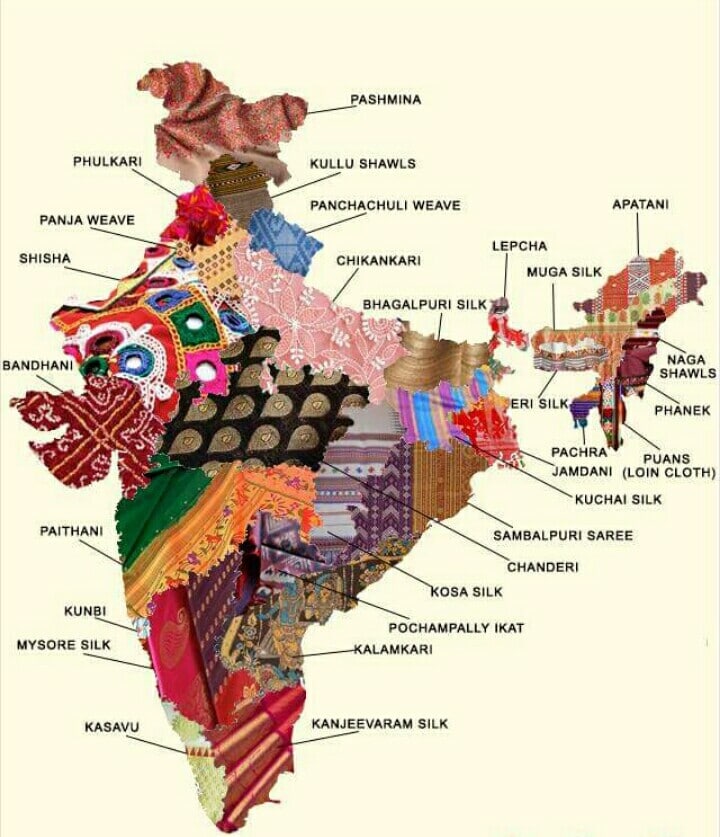
Anyone interested in textile arts and crafts is going to enjoy these from My Modern Net
I just came across this online exhibition, BAMPFA Rosie Lee Tompkins which is available till July 2021.

Finally finding some creative energy and some old pieces of partially worked fabric which can be worked on some more. One of the joys of machine embellishing is that there is no limit to the amount of layering other than the ability of the embellishing machine needles to pass through, without breaking. Another pleasure is the using up of tiny scraps which would otherwise just be waste. The needles do break from time to time and they are not cheap so care must be taken. I often overstitch or couched threads, silk or metallic, embroidery, wool &c. but the thicker they are the more likely to trouble the embellisher, so these are best added after embellishing. But as I am rarely satisfied I often return to embellishing after stitching. The possible combinations of colour, texture, fabric and other elements are of course infinite.

This patchwork of embellished fabrics and embroidered threads will be made into a long dress for a 60cm button-jointed cloth doll, just visible on the left .

Back to the blog, in the 2021 UK Covid lockdown, and like many others I’m struggling to keep positive. I saw a Lydia Emily picture on CounterPunch which inspired me to try some more art, or at least to rework some older pieces.


Some of the world’s largest ships are those which lift other ships, rigs and cargo, the largest of these is the Thailf, a Norwegian monster used to build and dismantle oil rigs. Working on the rather smaller scale of 20 or so centimeters I have made a model kit Crane Ship which will soon be sale at Miller Toys and Models. My kits should be challenging for a six or seven year old – they might need a little help – have great play value and provide a sense of achievement when complete. Using 3mm laser grade birch ply means that the models can be robust enough to stand up to repeated play.
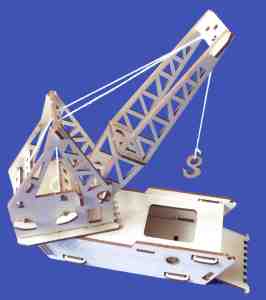
The simple mechanisms help demonstrate how mechanical systems work and provide pleasurable toys. The kit is supplied with a grab bucket (not shown) as well as a hook. All my kits may be painted with acrylic paints, not supplied but widely available.

